Best for a focused session
Choose Keno when you prefer a clean board, a defined round, and an outcome you can review without tracking several moving features.
Cards game guide
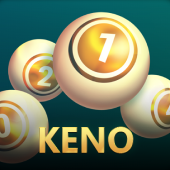
Keno is a number-selection cards game: choose a set of numbers, review the draw, and judge the result against your selected pattern. The clearest way to approach it is to set a small session plan first, then use the simple interface without treating any draw as predictable.
This guide explains the Keno flow, the details worth comparing, and the practical signals that make a mobile session feel comfortable. If you are comparing slots ph Keno with other cards choices, the same calm selection process is a useful starting point. When you are ready to inspect the live interface, use the Keno game icon or the action below.
These related cards titles give the Keno player a compact way to change pace. Each item uses the same promotional action and the original game record, so the choice stays simple on a small screen.

Yes, Keno is a good fit when you want a short, number-led cards session with easy-to-read choices. It does not require a long ruleset or a complicated hand; the meaningful decisions are how many numbers to select, what stake feels comfortable, and when to stop. This is the core reason many visitors compare slots ph Keno first when browsing a concise cards lobby.
The appeal comes from the contrast between a calm selection step and the anticipation of the draw. That contrast can make a short session feel engaging, while the straightforward board keeps the experience readable for a first visit. A demo-style look is useful for learning the controls, but it cannot predict a future result.
Choose Keno when you prefer a clean board, a defined round, and an outcome you can review without tracking several moving features.
Every draw is independent. A previous result, a near miss, or a busy period does not make a number more likely next time.
For a broader look at the site's card and casino choices, visit the Slots PH index after this focused answer.
Keno is built around a simple loop: select, confirm, draw, and review. That loop makes the game easy to understand, but a clear flow should not be confused with a guaranteed outcome or a special timing formula.
Start by reading the board and marking the numbers that match your chosen approach. Take a moment to verify the selection before confirming the round.
Use a stake that belongs inside the session limit you set before opening the game. A smaller, repeatable amount helps keep the focus on entertainment.
The draw supplies the round's result. Watch it as information, not as evidence that a particular pattern is becoming due.
Check the result, record the session if that helps your discipline, and pause when the time or spend limit arrives.
The cards label identifies this title's category in the game catalogue. It does not mean that number choices can be influenced by a card hand, a hot streak, or a previous round.
Keno is the simplest choice of the four when the priority is a number board and a quick draw. Poker-style titles invite hand evaluation, while coin-themed titles can feel more immediate; the better match depends on how much decision-making and visual pace you want. For a wider slots ph online casino comparison, use the displayed rules and pace rather than a promise of winning.
Keno asks you to shape a selection and stake. 5 Card Poker is better suited to a player who enjoys comparing a hand and thinking through a familiar card format.
Keno keeps the rhythm draw-led and easy to scan. Coin Toss offers a more immediate choice, while Coin Pusher presents a different, visual arcade-like pace.
On a phone, a spacious board and visible confirmation state matter more than decorative effects. Check that the selected numbers and stake remain readable before confirming.
Compare the displayed rules, minimum stake, result history, and responsible-play controls rather than relying on a claim that one title is “hot.”
If a live table atmosphere is more important than a number board, Oceania Vip Blackjack offers a useful contrast in pace and decision style. The comparison is about format, not a promise of better results.
The useful visual test is whether the Keno board stays legible from selection through confirmation. The local game image below identifies the title; use the live interface to verify the actual board, controls, and result presentation before committing to a session.
Controls should have enough space for a thumb, and the active selection should use more than a subtle colour shift. Rotate or zoom only if the interface itself allows it cleanly.
A good result screen shows what was selected and what was drawn. This lets you review the round instead of guessing from animation alone.
A Keno session is ready when the rules are clear, the device is comfortable, and your limits are decided before the first selection. This quick checklist prevents an exciting draw from making the next decision for you.
Can you explain how to select numbers, confirm a stake, read the draw, and see the result? If not, review the displayed instructions first.
Choose both a spending ceiling and a time to finish. Treat either limit as a firm stop, including after a win.
Use a stable connection, a private setting, and a screen where the board is not covered by the browser controls or the bottom navigation.
Confirm the minimum stake, any paytable language, and the available responsible-play tools. Never fill in a missing rule with an assumption.
Do not chase a missed number or increase a stake to recover a loss. A new round does not remember the previous one.
When the session ends, close the game and review your original plan. If play no longer feels recreational, take a longer break.
Players who enjoy changing between compact cards formats can use the Tripe route for another comparison, while keeping the same limits and responsible approach.
The sensible next step is to inspect the board, verify the rules, and play only within a limit you already chose. A Keno Demo view can help you learn where the controls sit, but practice or observation does not change the probability of a later result. The slots ph mobile layout should make that review comfortable without encouraging rushed choices.
Read the round instructions, make one small test selection, and stop to confirm that the result display makes sense before considering another round.
Move directly to your pre-set session plan. Avoid increasing the stake because a pattern looks promising; treat each draw as separate.
The goal is a transparent, enjoyable cards experience rather than a promise of profit. Take a break whenever the game stops feeling like an optional leisure activity.